
New State Law Could Fast-Track Development on 4,400+ Acres in St. Johns County — Without a Rezoning Hearing
A new Florida law lets certain agricultural landowners skip the county's traditional rezoning process, and officials say it could open more than 4,400 acres in St. Johns County to development while removing a key public-hearing step.

A new Florida law lets certain agricultural landowners skip the traditional county rezoning process, and St. Johns County officials say it could put more than 4,400 acres on a fast track for development — without the public hearings that have long given residents and commissioners a chance to weigh in on new growth. In a county where traffic and rapid building are already the dominant kitchen-table concerns, the change directly affects the roads, schools, and neighborhoods people live in every day.
Local officials described the situation as "uncharted territory," according to local media reports published July 17, 2026. The core issue: the law removes a step the county has historically relied on to slow down, study, and publicly debate large land-use changes before they move forward.
What the law changes
Under the traditional process, a landowner who wants to convert agricultural property into higher-intensity development typically has to go through rezoning — a public, on-the-record procedure that includes hearings before county advisory boards and, ultimately, the Board of County Commissioners. Neighbors get to speak. Commissioners get to attach conditions or say no.
The new state law allows eligible agricultural landowners to bypass that traditional rezoning path. In practical terms, that means some projects could advance with less local review — and fewer opportunities for the public to formally object — than residents have come to expect.
Sponsored
According to local reports, officials estimate the change could affect more than 4,400 acres across St. Johns County. Exactly which parcels qualify, and how the county will handle applications that come in under the new rules, are still being worked out.
Note: Details on which specific properties qualify and how the county will respond are still developing. If you own agricultural land or live near it, watch for county guidance before assuming how the law applies to a particular parcel.
Why St. Johns County residents should care
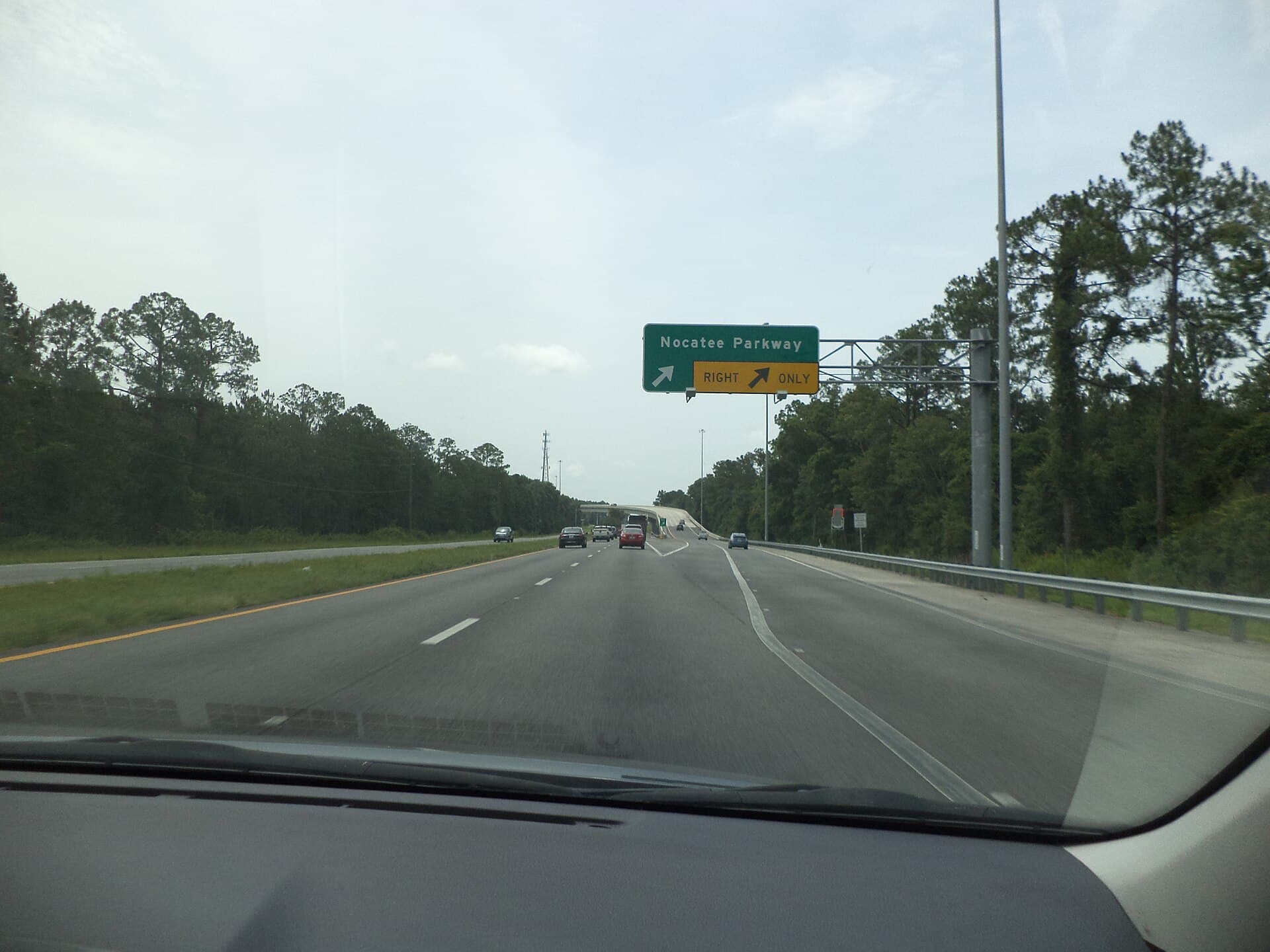
St. Johns County has been one of the fastest-growing counties in Florida for years, and growth pressure is most visible in the fast-developing corridors around Nocatee, the World Golf Village area, and the county's western and southern edges — much of it built on land that was once agricultural or rural.
The rezoning hearing has been one of the few points where residents could push back on a specific project: raising concerns about a two-lane road that already backs up, a school that's near capacity, or drainage in a low-lying area. Removing or shortcutting that step is why the phrase "uncharted territory" is being used — the county is being asked to manage growth with one of its traditional levers weakened.
The bigger tension: state power vs. local control
The law is part of a broader pattern in recent years of the Florida Legislature setting statewide rules that limit how much individual counties and cities can control local growth and land use. Supporters of that approach generally argue it streamlines building and protects property owners' rights to develop their land. Critics — often including local governments — argue it strips away the community-level oversight that lets fast-growing places like St. Johns County plan for the roads, schools, and services new rooftops require.
For St. Johns County, the immediate practical questions are straightforward, even if the answers aren't: How many parcels actually qualify? How quickly might they move? And what tools, if any, does the county still have to require developers to help pay for the traffic and infrastructure their projects generate?
What to watch next
- County guidance: Expect the county to clarify how it will process applications submitted under the new law, and how it interprets which land is eligible.
- Commission discussion: Major land-use shifts typically surface at Board of County Commissioners meetings, which remain open to the public even where a formal rezoning hearing no longer applies.
- Specific projects: The real test will be the first applications filed — those will show how the law works in practice and how much oversight remains.
Residents who want to follow the issue or comment on county growth policy can find meeting agendas and contact information through the county's official site at sjcfl.us. Much about the law's local impact is still unconfirmed, and the numbers and interpretations could shift as the county responds.
Sponsored
We'll keep following how this plays out. For more on growth, land use, and county decisions, read our latest government & politics coverage and local alerts at St. Johns Community Website. Follow us on Facebook, Instagram, and X for updates, and join the conversation with your neighbors in our Community Forum — what does this mean for your road and your schools?
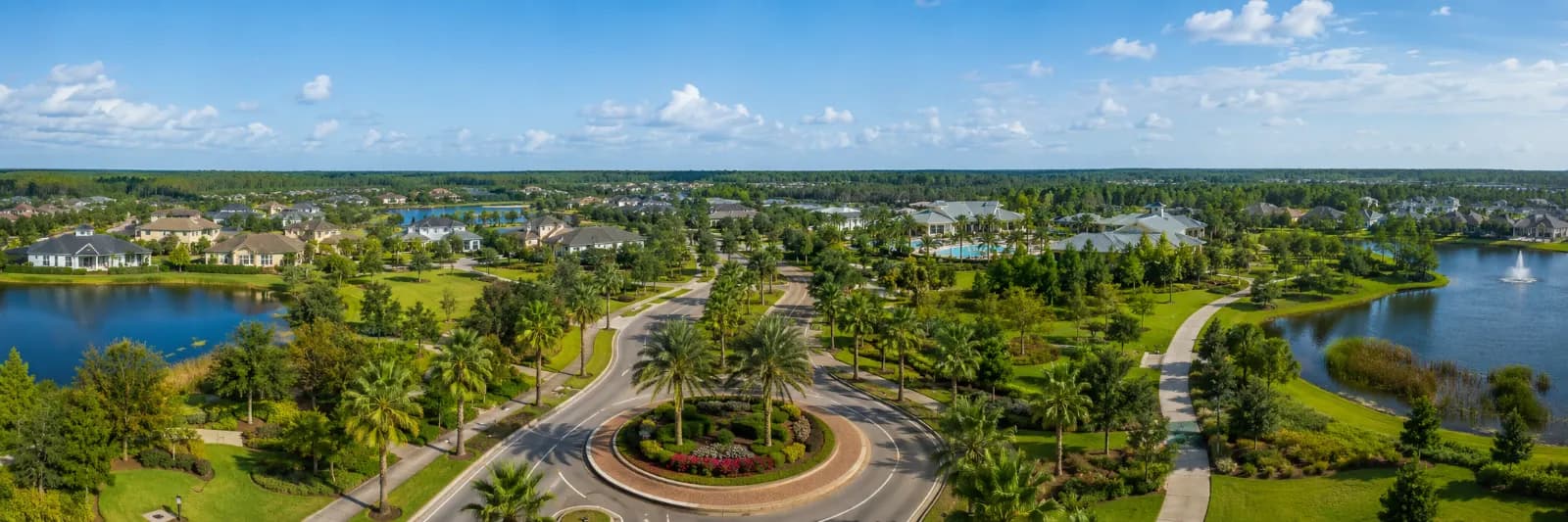
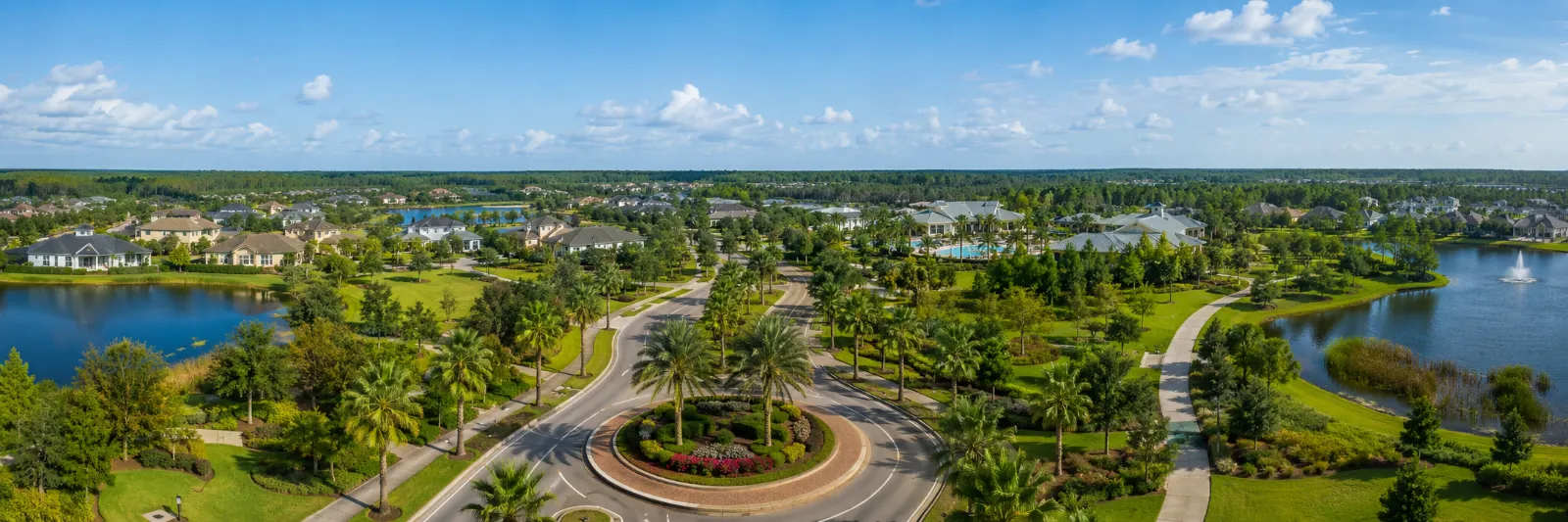
Header photo: Michael Rivera / Wikimedia Commons (CC BY-SA 4.0)




Discuss this news
Your draft stays here while you sign in. Be respectful and keep it local.
No comments yet.