
County Leaders Warn of $113M Budget Hit as St. Johns Voters Face DeSantis Property-Tax Cut in November
A DeSantis-backed constitutional amendment on November's ballot could cut a typical St. Johns County homeowner's bill by roughly $1,454 a year — but county officials warn it could also strip $113 million from local services by 2029.

St. Johns County homeowners will decide in November whether to approve a sweeping, DeSantis-backed property-tax overhaul that could knock roughly $1,454 a year off a typical homestead bill — while county officials warn the same measure could pull an estimated $113 million out of local coffers by 2029 and force cuts to services residents rely on.
That tension — big savings for households versus a squeeze on county government — was on full display as the state lawmakers who represent St. Johns County and local city and county officials publicly split over the plan. Nearly all of the county's legislative delegation voted to send it to voters; local leaders spent the following days warning about what happens if it passes.
The amendment, CS/HJR 1F, cleared the Legislature on June 2, 2026, during a special session called by Gov. Ron DeSantis. It will appear on the November 3 ballot and needs 60% voter approval to take effect.
What the amendment would do
According to state records and local media reports, the measure would sharply expand the homestead exemption for non-school property taxes and rein in how much assessed values can climb each year for many non-homestead properties.
The new exemption would phase in: rising to $150,000 beginning Jan. 1, 2027, then to $250,000 beginning Jan. 1, 2028. It would also limit how counties and cities can spend property-tax revenue, restricting it to "core services" such as schools, police, firefighters, infrastructure and the environment.
For a homesteaded $350,000 home in St. Johns County, one published analysis estimates the annual bill dropping from about $4,196 to $2,742 — roughly $121 back in a homeowner's pocket each month.
Sponsored
Why county leaders are worried
St. Johns County's leadership — entirely Republican — has been unusually blunt about the risk. Using figures from the county's office of management and budget, officials estimate the county could lose about $113 million in property-tax revenue by 2029.
At a Board of County Commissioners meeting, Commissioner Christian Whitehurst put that number against last year's roughly $400 million county budget. Subtract $113 million, he said, and about $287 million remains — and the sheriff's office and fire department alone already consume close to $250 million of it.
By his "conservative estimate," that would leave only about $37 million to run parks and maintain the nearly 1,100 miles of road the county is responsible for. Whitehurst said his goal isn't to campaign for or against the amendment, but to make sure residents understand the tradeoff before they vote.
County Administrator Joy Andrews told commissioners the change could prove "revolutionary" or "catastrophic" depending on your perspective. Local reports say her staff is already weighing cost-cutting options — including preemptive hiring freezes on unfilled positions and even potential privatization of some services — to protect current service levels if the measure passes.
The public-safety squeeze
The budget math is complicated by growing demands on the departments that would be protected as "core services."
Sponsored
Sheriff Rob Hardwick proposed a budget with an $8 million increase over the prior year, much of it aimed at raising pay for deputies and staff to stay competitive with neighboring agencies. Firefighters, meanwhile, are pushing for a schedule with more time off the clock — a change that could require the county to hire additional staff.
In other words, the two services the amendment would prioritize are the same ones asking for more money, leaving a thinner margin for everything else.
Where the delegation stands
Nearly all of the lawmakers representing St. Johns County backed putting the plan on the ballot, according to local reports — including Rep. Kim Kendall, Rep. Sam Greco and Sen. Tom Leek. Rep. Judson Sapp, who represents part of St. Johns along with Clay and Marion counties, did not have a recorded vote but said on social media that he fully supports the governor's plan, framing it as letting Floridians truly own their homes rather than effectively renting them from the government.
What happens next
Nothing changes unless voters approve it. If the amendment clears the 60% threshold in November, most provisions would begin phasing in starting Jan. 1, 2027. Commissioners have signaled they want the county to publish a fact sheet before the election so residents can weigh their own tax savings against the potential impact on county revenue.
Sponsored
The amendment needs 60% statewide approval to pass. Watch your official sample ballot and voter guide for the exact ballot language, and check the St. Johns County Supervisor of Elections for registration deadlines and early-voting dates ahead of November 3.
For more on how this vote could reshape local budgets and services, read our ongoing coverage on the Government & Politics and News pages at StJohnsCommunity.com.
Have a stake in this one? Follow us on Facebook, Instagram, and X, and join the conversation in our Community Forum — we want to hear how you're leaning before November.
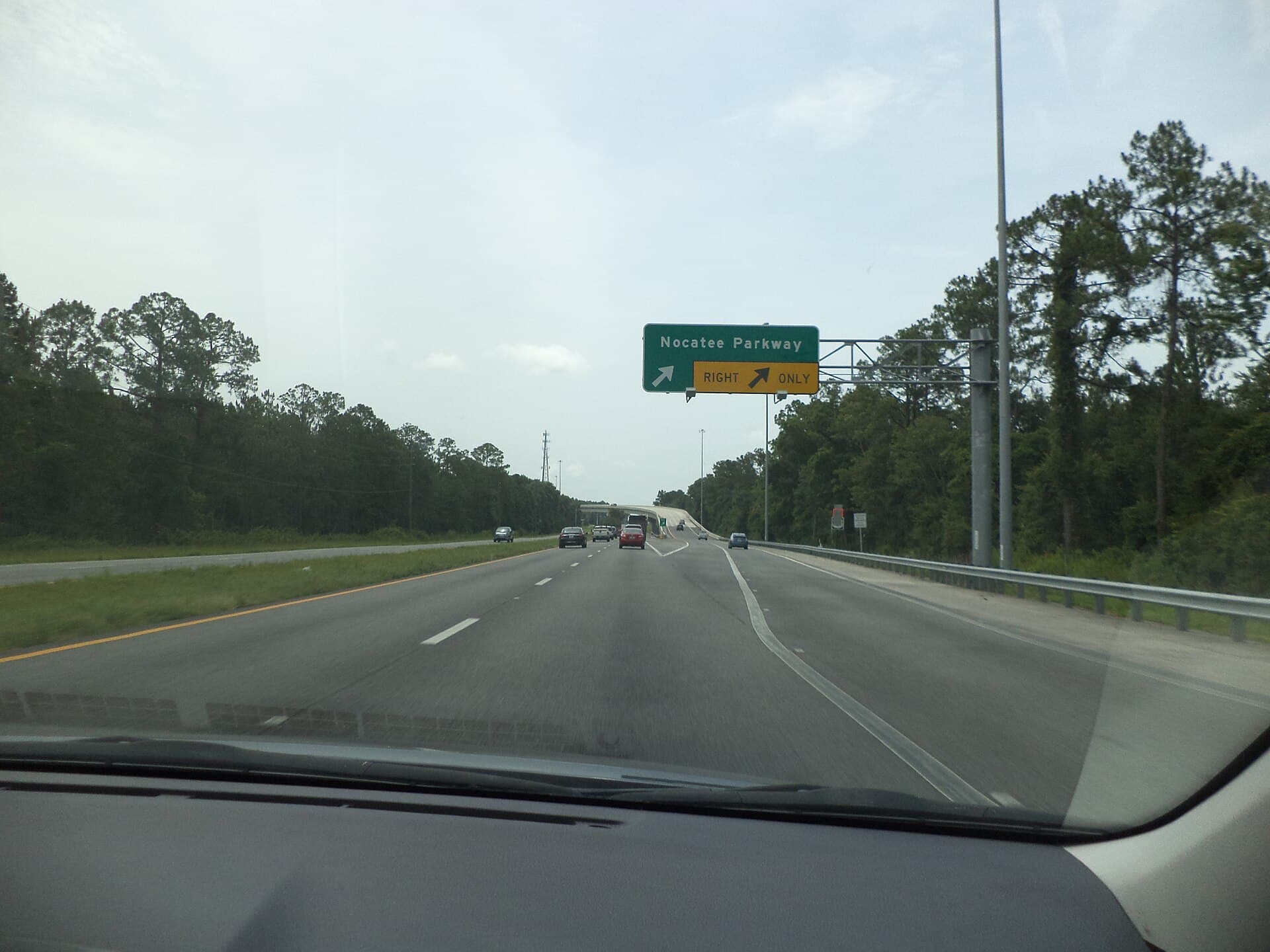
Header photo: Georgia Guercio / Wikimedia Commons (CC BY-SA 3.0)



Discuss this news
Your draft stays here while you sign in. Be respectful and keep it local.
No comments yet.