
The Oldest City Next Door: How St. Augustine Has Survived 460 Years
Founded in 1565 — decades before Jamestown or Plymouth — St. Augustine is the oldest continuously inhabited European-established city in the continental U.S. Here's the history right in St. Johns County's backyard.

St. Augustine, the coastal city that anchors the southern end of St. Johns County, marks its 460th year in 2025 — a milestone that makes it the oldest continuously inhabited European-established city in the continental United States. It was founded on September 8, 1565, when Spanish admiral Pedro Menéndez de Avilés came ashore with roughly 600 settlers, more than four decades before English colonists reached Jamestown and Plymouth. For the families, commuters, and visitors who pass through St. Augustine every day, that history isn't in a textbook somewhere far away — it's the street grid, the fort on the bay, and the neighborhoods just down the road.
Why Spain built a city here
The founding was, at heart, a military decision. In 1564, French Protestants established a colony near present-day Jacksonville, and Spain viewed it as a direct threat to the treasure ships sailing along Florida's coast. King Philip II dispatched Menéndez to remove the French and secure Spanish interests.
When Menéndez sighted land, he named the new settlement after Saint Augustine, whose feast day was being observed. According to city historical records, St. Augustine quickly became both a military outpost and a hub for Catholic missions across the Southeast. Keeping it alive, though, was another matter — early settlers endured attacks, fires, and chronic shortages, and English forces burned the town more than once during the 1600s.
The fort that never fell
Spain's answer to those repeated attacks still stands on the western shore of Matanzas Bay. Construction of the Castillo de San Marcos began in 1672, with the core of the fortress completed by 1695.
What made it so durable was the building material itself: coquina, a local shell-based stone. Rather than shattering when struck, coquina walls absorbed and compressed around incoming cannon fire. The fort survived a major British assault in 1702 and another in 1740 without being captured — and today it's a National Monument and one of the region's most-visited landmarks.
A refuge for the enslaved
One of the most significant chapters in local history is often overlooked. Spain offered freedom to enslaved people who escaped from the English colonies, provided they pledged loyalty to Spain and joined the Catholic Church.
In 1738, that policy produced Gracia Real de Santa Teresa de Mose — Fort Mose — established near St. Augustine as the first legally recognized free Black community in what is now the United States. It's a piece of American history that predates the country itself.
Empires trade the city back and forth
St. Augustine changed hands repeatedly. A 1763 treaty handed Florida to Britain; two decades later, in 1783, another returned it to Spain as thanks for Spanish help during the American Revolution. When the Spanish came back in 1784, they found the city reshaped by the Minorcans — Mediterranean settlers whose culture became woven into St. Augustine's identity.
Florida passed to the United States in 1821 and became a state in 1845. During the Civil War, Union troops occupied the city for the duration, and afterward, formerly enslaved families settled the neighborhood that became Lincolnville, now listed on the National Register of Historic Places.
Flagler's gilded reinvention
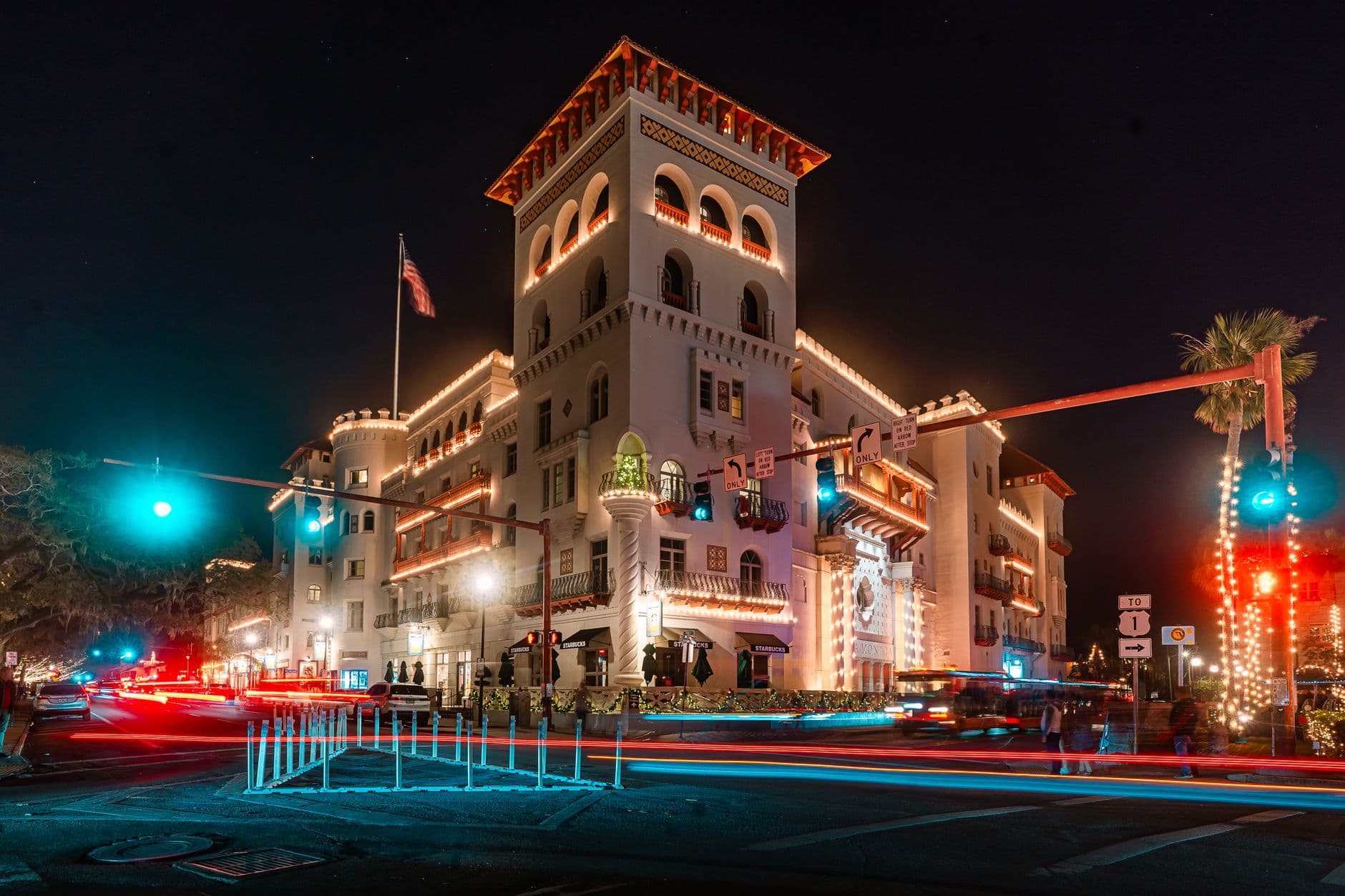
About 20 years after the Civil War, businessman Henry Flagler transformed St. Augustine into a fashionable winter resort for wealthy Americans, building railroads and luxury hotels — among them the Ponce de Leon, the Alcazar, and the Casa Monica. Those buildings still define the look of downtown and helped launch Florida's entire tourism industry.
According to city records, St. Augustine retains 36 original colonial buildings and about 40 reconstructions based on colonial designs. It's considered the only U.S. city whose street layout and architecture still strongly reflect its Spanish origins — narrow streets, balconies, and all.
Why it still matters to St. Johns
For St. Johns County residents, this isn't distant history — it's a short drive away and a defining part of what makes the area what it is. The Castillo, the colonial quarter, Lincolnville, and Fort Mose are all within easy reach for a weekend outing or a school field trip, and they help explain why the region draws visitors from around the world year-round.
At 460 years and counting, the oldest city in the country is also, for many local families, simply the city next door.
For more local history and neighborhood features, visit St. Johns Community Website and browse our community spotlight and lifestyle stories. Have a favorite piece of St. Augustine history — or a local spot worth knowing about? Join the conversation in our Community Forum, and follow us on Facebook, Instagram, and X to keep up with everything happening around St. Johns County.
Continue this story for free.
Stay informed about St. Johns. Enter your email to access the full story and receive local news and community updates.
Free to read · No password to remember
New here? We’ll email you a sign-in link and code. Already a reader? Use your usual email.
Read next

New St. Johns County Public Service Center Consolidates Permits, Marriage Licenses and Records Under One Roof
The county's new Public Service Center at 4040 Lewis Speedway lets residents handle permitting, recording, marriage licenses and passport applications in a single stop, ending the old multi-building shuffle.
Read the story ↗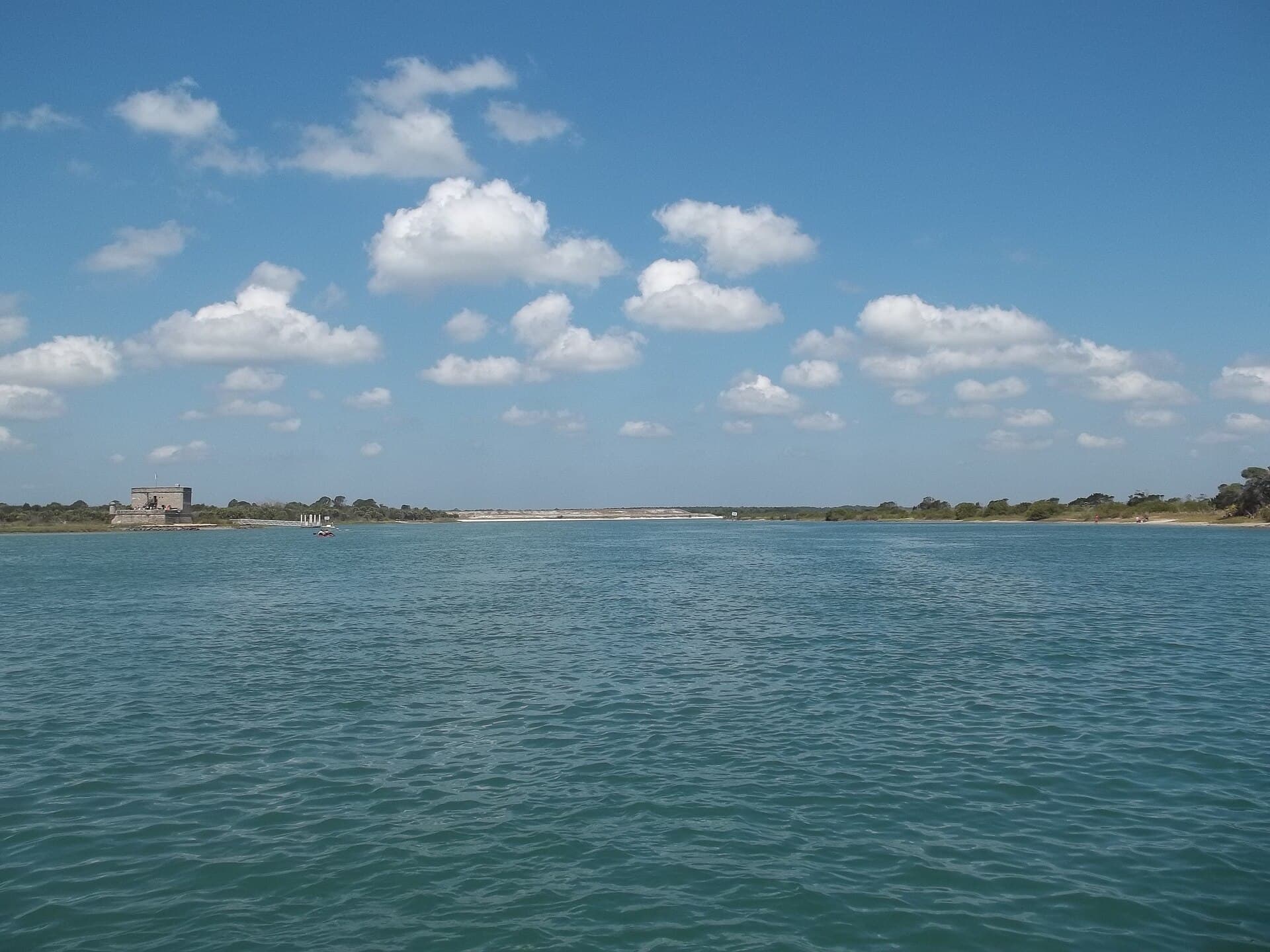

Stay connected with St. Johns
Follow us for the latest community news and updates
Comments
Your draft stays here while you sign in. Be respectful and keep it local.
No comments yet.